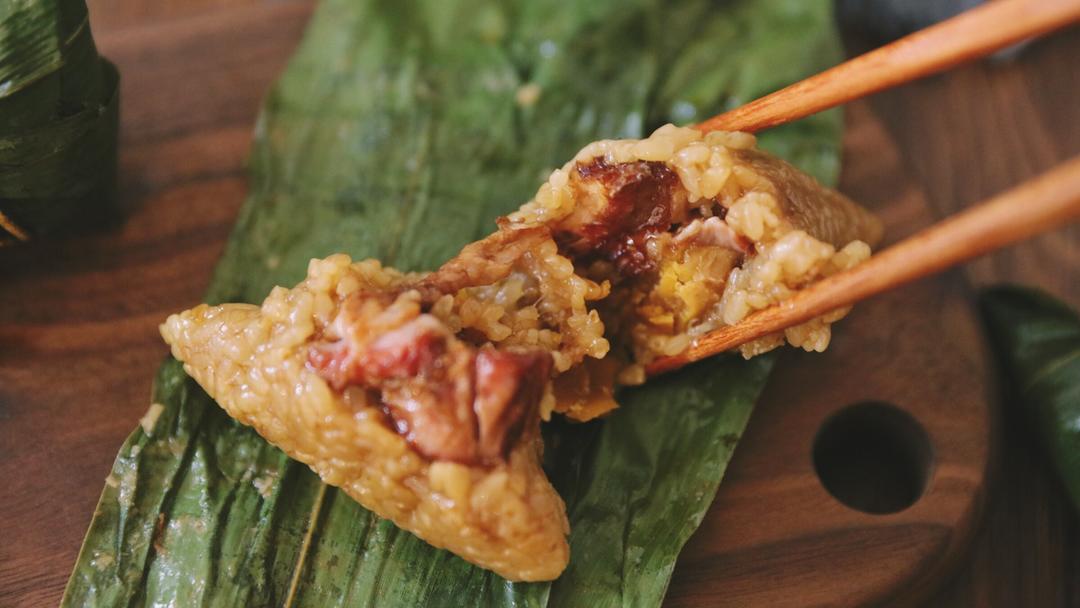
As an iconic symbol of China’s traditional Dragon Boat Festival, Zongzi (sticky rice dumplings) has captivated food lovers for centuries—not only for its chewy texture and endless variety of fillings, but also for the rich historical and cultural heritage wrapped inside every leaf. In this guide, we uncover the origins of Zongzi and explore the fascinating stories behind this beloved delicacy.
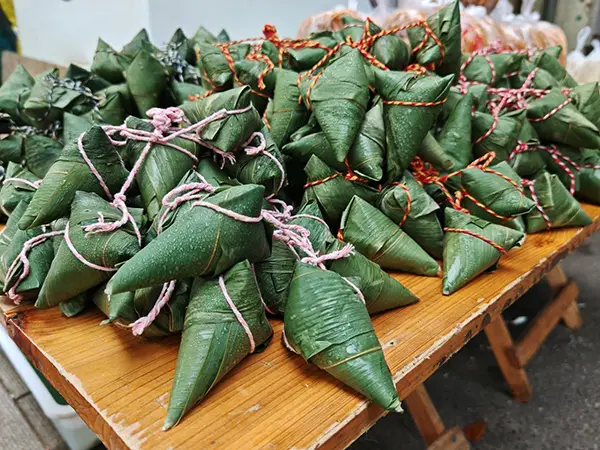
A Thousand-Year Legacy: The Origin and Evolution of Zongzi
The history of Zongzi dates back to the Spring and Autumn period (770–476 BC). Originally, it was not a festival snack at all, but a ceremonial offering used to worship ancestors and gods. Back then, glutinous millet was wrapped in wild rice leaves (Gu leaves) into the shape of an ox horn, known as Jiaoshu, or packed into bamboo tubes and roasted over fire, called Tongzong.
By the Jin Dynasty (266–420 AD), Zongzi was officially established as the signature food of the Dragon Boat Festival. According to legend, after the patriotic poet Qu Yuan drowned himself in the Miluo River in despair over his country’s fate, local villagers rowed out in boats and threw rice into the water to keep fish and shrimp from eating his body. Over time, this act of devotion evolved into wrapping glutinous rice in bamboo leaves before tossing it into the river—giving birth to the enduring custom of eating Zongzi to honor Qu Yuan.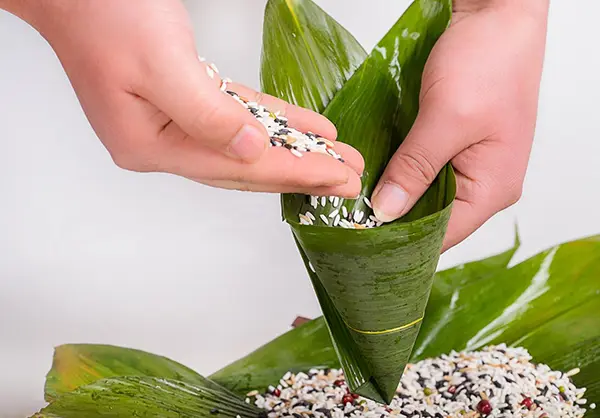
As centuries passed, both the craftsmanship and flavor profiles of Zongzi flourished:
- Tang Dynasty: The rice used became prized for being “as white and lustrous as jade,” and new shapes like cones and diamonds emerged.
- Song Dynasty: Candied fruit Zongzi appeared on the culinary scene—celebrated by the famous poet Su Dongpo, who wrote of “occasionally spotting bayberries nestled inside a Zongzi”.
- Ming and Qing Dynasties: Wrappers transitioned from wild rice leaves to broad bamboo leaves (Ruo leaves) and reed leaves. Fillings also expanded dramatically to include sweet red bean paste, pork, pine nuts, red dates (jujubes), and walnuts.
North vs. South: A Regional Feast on the Palate
Just as China’s diverse geography shapes its regional cuisines, Zongzi has developed strikingly distinct styles between the North and the South.
Northern Zongzi: Sweet, Simple, and Comforting
Represented by Beijing Zongzi, northern varieties lean predominantly sweet. Larger in size and folded into slanted four-cornered or triangular shapes, they feature glutinous rice studded with red dates or sweet red bean paste. Once steamed, each bite is soft, sticky, and bursting with the natural fragrance of jujubes. Shandong Yellow Millet Zongzi is another regional standout, pairing golden broomcorn millet with bright red dates—creating a vibrant tri-color treat that is delightfully chewy and sweet.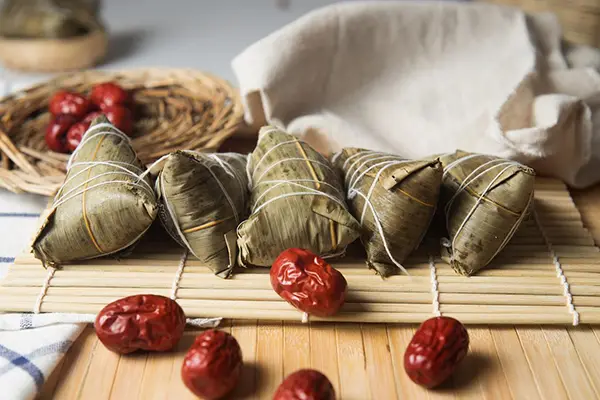
Southern Zongzi: Savory, Rich, and Diverse
Southern Zongzi embraces a wide spectrum of both savory and sweet flavors:
- Jiaxing Pork Zongzi: Widely hailed as the undisputed king of savory Zongzi. Fresh pork belly is marinated in soy sauce and spices before being wrapped with glutinous rice. During boiling, the rich pork fat melts directly into the rice grains, resulting in a deeply savory, melt-in-your-mouth experience that is rich without ever feeling greasy.
- Cantonese Zongzi: Generous in size and lavishly stuffed, Cantonese versions layer glutinous rice and pork belly with salted egg yolk, dried scallops, and mung beans for an unforgettable burst of umami in every bite.
- Guangxi Lye Water Zongzi (Huishui Zong): A refreshing standout made by soaking glutinous rice in filtered plant-ash water. Steamed until translucent and bouncy, it is traditionally dipped in white sugar or honey for a clean, cooling finish.
More Than Food: The Cultural Spirit Behind Zongzi
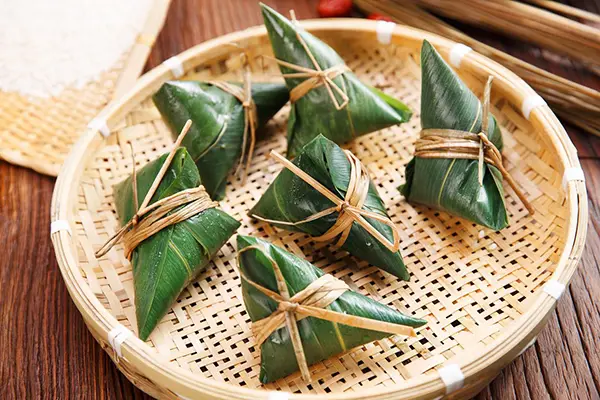
Beyond its culinary appeal, Zongzi stands as a powerful cultural emblem in Chinese tradition. First and foremost, it symbolizes family reunion. During the Dragon Boat Festival, families gather around the table to fold leaves, spoon rice, and tie strings together—passing down warmth and affection from generation to generation. Every fold carries wishes for a sweet, harmonious, and prosperous life.
At the same time, the enduring story of Qu Yuan infuses Zongzi with a deep sense of integrity and patriotism, inspiring generations to cherish and uphold traditional virtues.
From ancient sacrificial offerings to a beloved festival staple, and from simple millet bundles to a nationwide celebration of sweet and savory flavors, Zongzi has evolved across millennia while preserving its timeless charm. This Dragon Boat Festival, why not try wrapping a few Zongzi by hand—and savor a taste of history that has endured for over two thousand years?
From ancient sacrificial offerings to a beloved festival staple, and from simple millet bundles to a nationwide celebration of sweet and savory flavors, Zongzi has evolved across millennia while preserving its timeless charm.
Ready to make your own at home? Don’t be intimidated by the folding process! Follow our Foolproof Salted Egg Yolk & Pork Zongzi (Step-by-Step Wrapping Guide) for a zero-failure, beginner-friendly wrapping technique that ensures no rice leaks—so you can savor this two-thousand-year-old tradition right from your own kitchen!